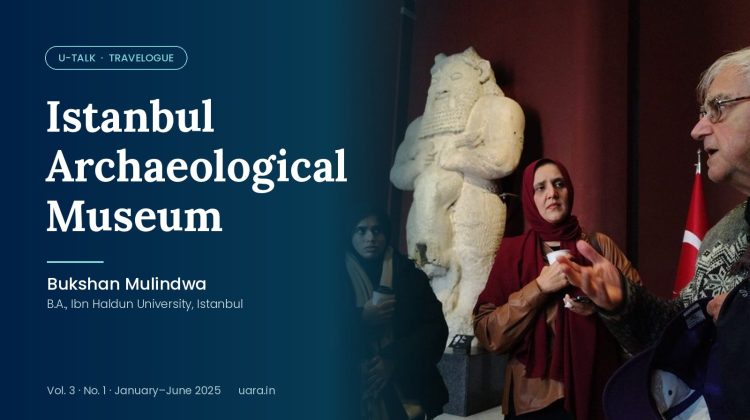
A Journey Through the Istanbul Archaeological Museum
 Bukshan Mulindwa
B.A., Ibn Haldun University, Istanbul
~ 2 min read
As a student of History through Art and Literature, my recent visit to the Archaeological Museum was an enlightening experience that bridged the chasm between academic knowledge and tangible relics of the past. Enveloped within the museum’s walls were fragments of civilizations long gone, waiting to share their stories. Stepping through the museum’s entrance, I was greeted by an aura of antiquity. The artifacts, carefully arranged in glass cases, seemed to whisper tales of eras gone by. My expectations were vast, formed from the extensive studies undertaken in the course, promising glimpses into the lives and cultures of ancient civilizations.
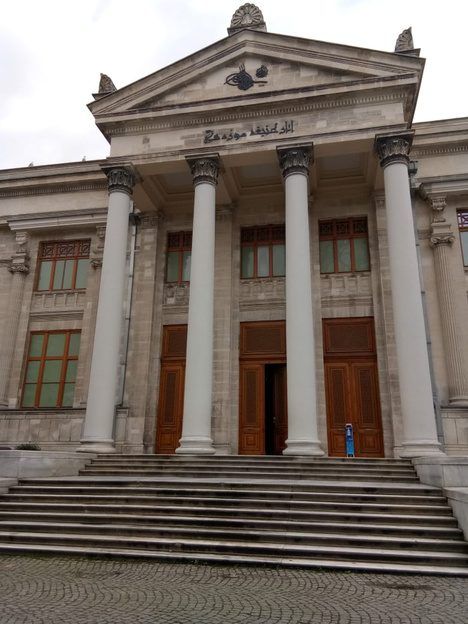
The museum was a treasure trove of artifacts spanning diverse periods and regions. The meticulously crafted pottery from ancient Mesopotamia, adorned with intricate patterns, spoke of a refined artistic sensibility. The stoic statues of ancient Greece, frozen in time, exuded an air of divine grace and beauty that transcended millennia. Each artifact bore witness to the artistic and cultural legacy of its time. However, it was the physical interaction with these relics that truly left an indelible impression on me. The tactile sensation of touching an ancient amphora, feeling the grooves carved by skilled hands centuries ago, bridged the temporal gap, making history palpable. Holding a weathered tablet inscribed with cuneiform script invoked a sense of wonder, contemplating the thoughts and events documented by an ancient scribe.
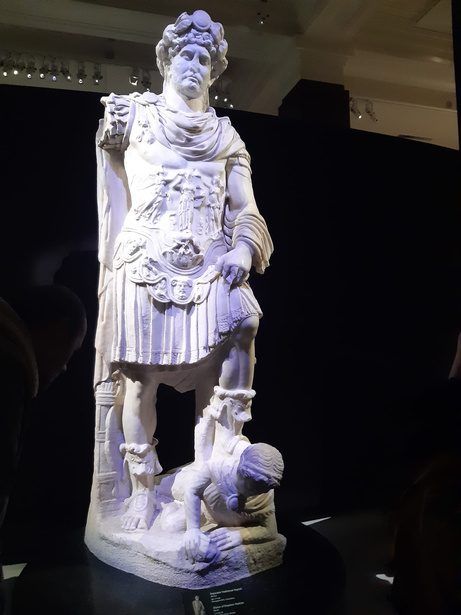
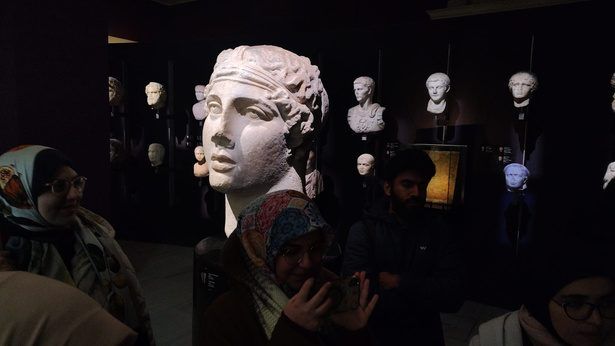
Among the plethora of artifacts, what truly evoked a ‘wow’ moment was encountering an intricately detailed Greek funerary urn. Its intricate designs and depictions of mythological tales were a testament to the artistic prowess of ancient Greece. As I stood before this remarkable relic, I was captivated by the exquisite craftsmanship and the depth of cultural significance it held. This encounter was more than a mere observation; it felt like a profound connection with history. The combination of visual, tactile, and intellectual engagement transformed the museum visit into an immersive journey through time, seamlessly intertwining the narratives explored in class with the tangible reality of ancient Greek civilization.
This encounter was more than a mere observation; it felt like a profound connection with history.
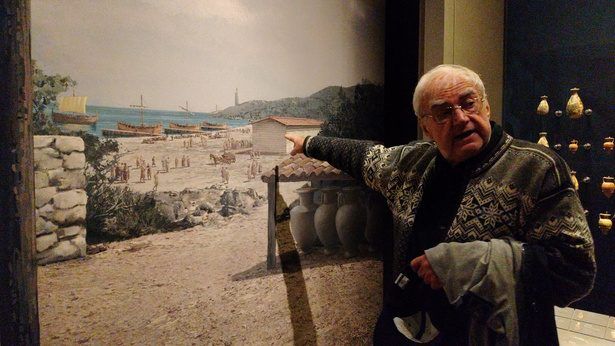
In conclusion, the archaeological museum trip was a profound journey that brought the annals of history to life. The encounter with artifacts surpassed my academic expectations, providing an immersive experience that resonated deeply. It underscored the importance of preserving our cultural heritage and reinforced the invaluable role of tangible relics in understanding the past. The trip served as a testament to the enduring power of art, literature, and archaeology in unraveling the mysteries of bygone civilizations, igniting a fervor within me to delve further into the realms of history and its manifestations in art and literature.
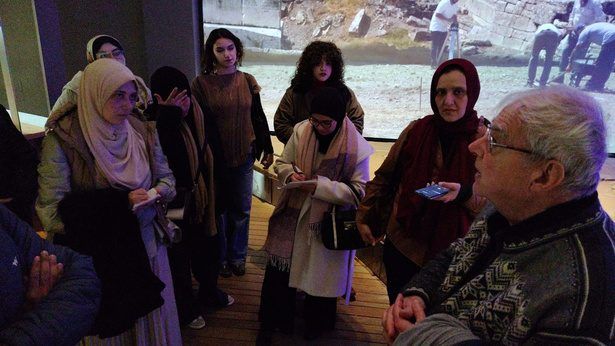
Dedicated to: Professor Halil Berktay, Ibn Haldun University
Bukshan Mulindwa is a B.A. student at Ibn Haldun University, Istanbul.