Bihar, Patna
 Elif Gülbaş
Research Scholar, Istanbul University, Istanbul, Turkiye
~ 5 min read
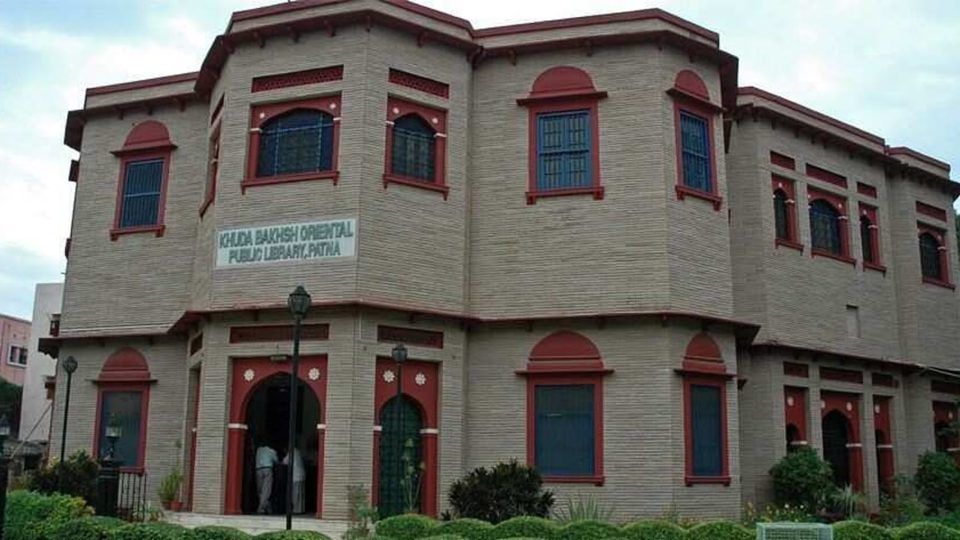
The history of India and Turkey intersect at a certain point and proceed side by side for extended periods. I am a historian specializing in Indian history, a field that has received relatively little attention in Turkiye. In this context, I had the opportunity to spend six months in India. For my dissertation, I needed to visit several libraries for research purposes. This allowed me to spend some time in Patna, the capital of Bihar. During my stay, I conducted research at the Khuda Bakhsh Oriental Library and also stayed at its guesthouse.
Under the guidance of Prof. Waseem Raja, I gained access to the library, marking the beginning of my adventures in this region.
The Khuda Bakhsh Library, located in the city of Patna, is an old institution established in the 19th century by Khuda Bakhsh. Opened during the British period, this library houses a remarkably rich collection of manuscripts. It is particularly renowned for its collections related to the Mughal Empire.
The room where I stayed was located in an annex building. In this building, there was no one else in the evenings. After finishing my work at the library at five o’clock, I would head back to my room. As I walked towards my room in the annex, I would see lizards fleeing from the entrance door. The door of the building was always left open, allowing all kinds of pests to easily enter. Every time I entered, I imagined that some strange creature would emerge from inside. This was not merely an imagination, but an involuntary thought that crossed my mind. I loved India deeply, but at the same time, I was equally afraid of it. Was this country, as they say, a Dev—a god?
I loved India deeply, but at the same time, I was equally afraid of it. Was this country, as they say, a Dev—a god?
After entering the building and turning to the right, I would continue along the same path, eventually reaching my room. This arrangement reminded me of a labyrinth. One of the clerks working during the day was a woman, while the others were men. The guesthouse, with its five rooms, carried the mystery of India. On the upper floor, there was a conference hall. As I ascended the stairs, copies of miniatures belonging to the Timurid dynasty were displayed on the walls near the staircase. Even these copies appeared magnificent. Miniature examples from the Tarih-i Handan-i Timuriye (The History of the Timurid Dynasty), a work not available to the public, were being exhibited here.
There was always a lizard waiting for me above the door to my room. A curtain hung above the door, and whenever the lizard saw movement in the curtain, it would quickly hide in the small gap of the toilet door on the left. Each time, I would startle. The only thing I didn’t like here were these lizards. Perhaps I was disturbing these creatures with my presence. Unfortunately, we had to tolerate each other. After all, we share this world.
On my first day, when I turned on the air conditioner and fan, I noticed another lizard emerge from behind the curtain of the high window on the right. After that, I never turned the fan on again. Directly opposite this window, there was another window resembling the ones in our country. The first night, when I turned off the light and tried to sleep, I saw a lizard from the high window attempt to climb down on the other side of the window. I immediately got out of bed, turned the light back on, and for the rest of my stay, I never turned off the light. The light stayed on day and night. However, to this day, I miss that humble room and the lizard adventures.
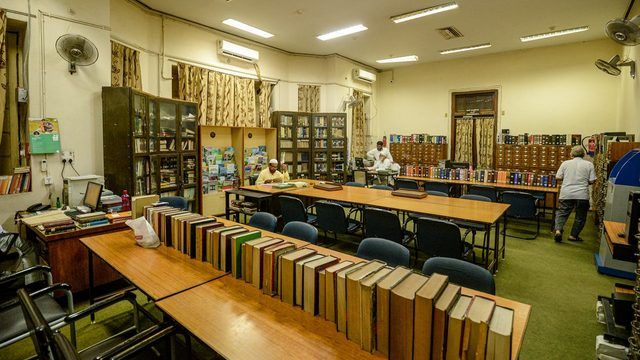
After passing the entrance of the library, there was a small museum. After this section, where miniatures were also displayed, one would reach the reading room. In this room, there was an attendant they called Maulana. Most of the visitors were men, and I shared the same room with them as the only woman. While Maulana was quite stern with the other readers, he was always very gentle and kind towards me. Every day, they would bring me lemon tea and make sure I had enough, treating me as one of their own. The taste of the lemon tea I drank in Patna is something I have never found anywhere else. This tea, prepared by a local vendor who added kala namak (black salt), was incredibly delicious.
At first, I felt quite lonely in this city. I was afraid to go outside, but I started wandering around the nearby area. Every morning, I would go out to buy breakfast items. For lunch, I would go to a place that sold biryani. In the evenings, I began taking walks to Gandhi Maidan, which was a bit further down. The temperature during the day would rise above 45 degrees, so it was only in the evenings that one could catch a breath.
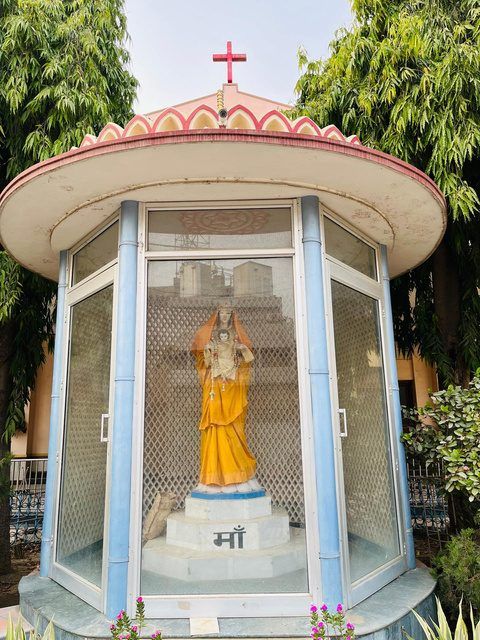
One evening, I noticed a church along the way. I attended a service at this Methodist church. Worship services in Hebrew religions like ours can become monotonous after a certain point. Later, while walking toward Gandhi Maidan, a small mandir (temple) seemed much more inviting. When I reached the evening vegetable market, I stopped in front of a larger mandir and listened to the hymn being sung. The enchanting melodies filled the air. It was so fascinating—almost as if I had entered another world. India truly is a land of beauty.
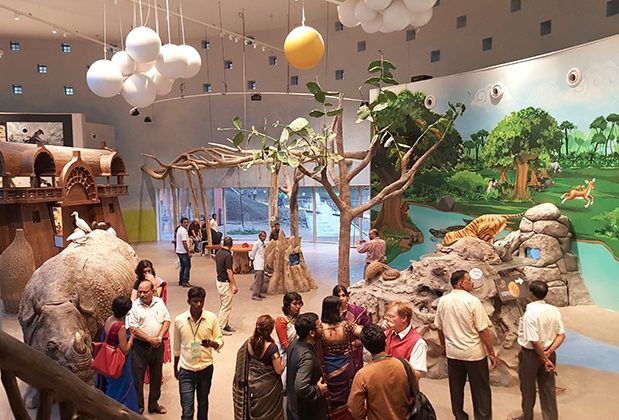
I visited the Bihar Museum over the weekend. It was much larger and more beautiful than I had expected. It was very educational. I gathered a lot of information about Bihar, which is considered one of the regions where Buddha lived. Additionally, in the special section dedicated to Sher Shah, I learned about medieval India and gained insights related to my own field of study.
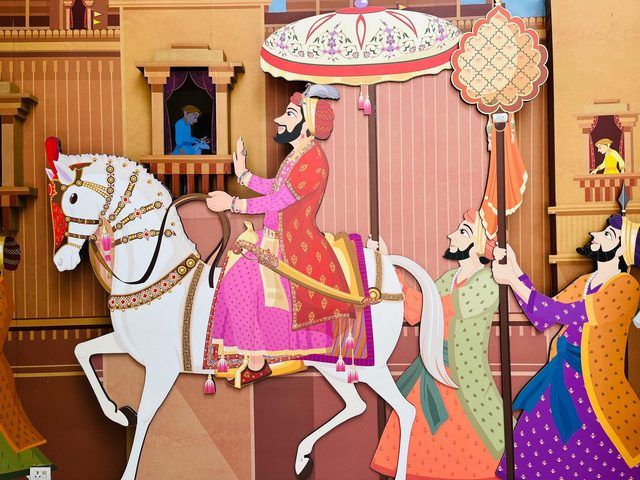
The museum also has a special section for children, where exhibits and animations highlight Sher Shah’s contributions to India. The younger generation of India will certainly not forget their past.
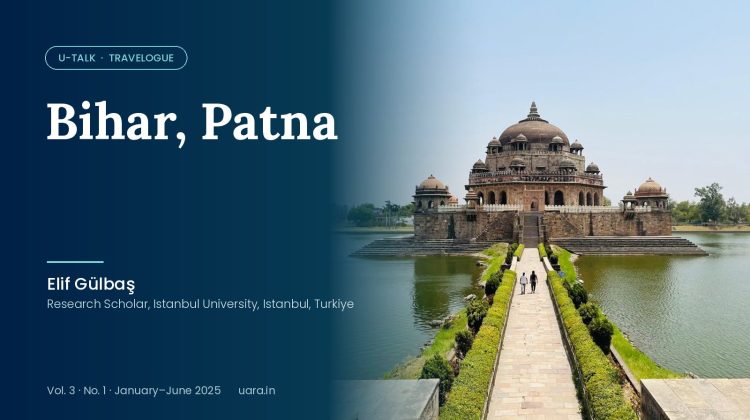
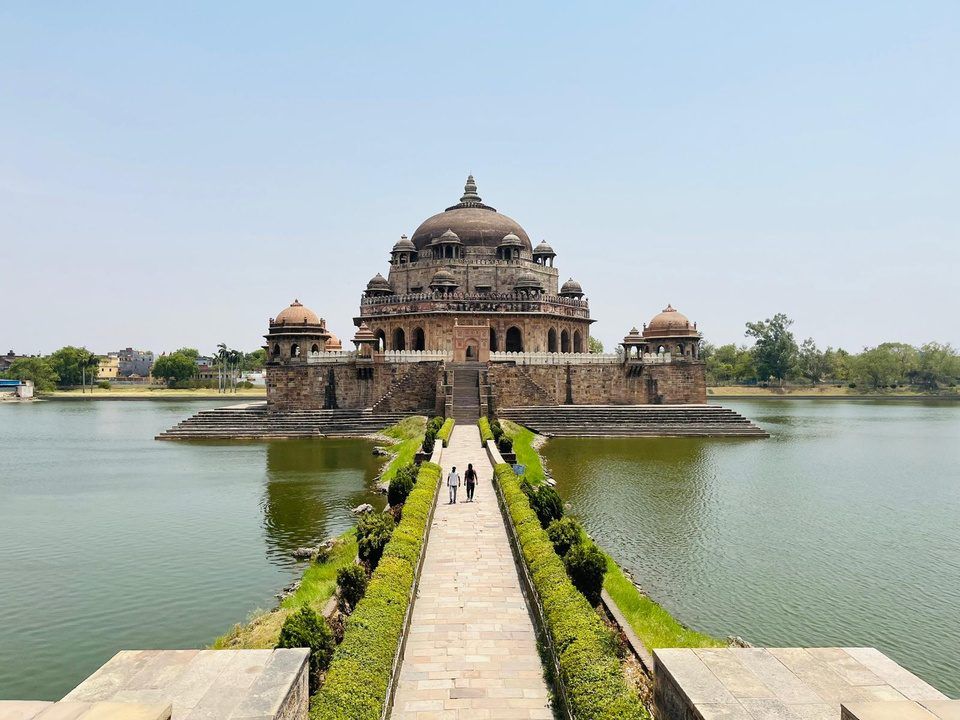
At the same time, a friend of mine from Nepal had come to Patna. Together, we travelled to Sasaram, Sher Shah’s hometown. The magnificent mausoleum stands tall to this day. I hope that India will open its arms to me again very soon!
Elif Gülbaş is a research scholar at Istanbul University, Istanbul, Turkiye, and a historian specialising in Indian history.