Preserving Mithila Folk Art
 Rajeev Kumar
Research Scholar, Civilization Studies, Ibn Haldun University, Istanbul
~ 2 min read
The Rich Cultural Heritage of Mithila Folk Art
Madhubani painting, also known as Mithila painting, is a traditional folk art form that originated in the Mithila region of Bihar, India. It is a style of painting characterized by intricate designs and vibrant colors. The themes of Madhubani paintings are often derived from Hindu mythology and depict religious scenes, nature, and everyday life.
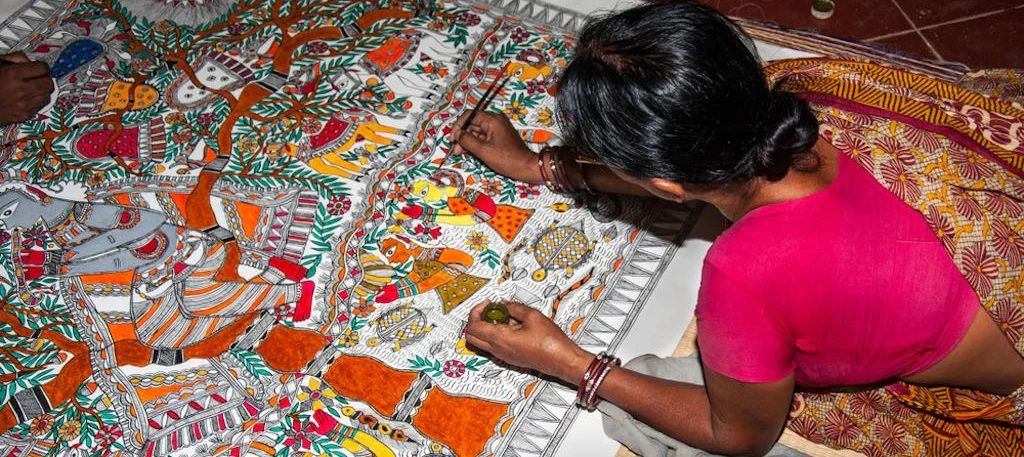
The paintings are created using natural dyes and pigments made from flowers, leaves, charcoal, and cow dung. The artists use their fingers, twigs, and brushes to create the designs, which are typically made on walls, floors, and paper.
Madhubani paintings have gained international recognition for their unique style and are now used in a variety of mediums, including home decor, fashion, and textiles. The art form has also become a means of livelihood for many women in the Mithila region, who have turned to painting as a way to earn a living and support their families.
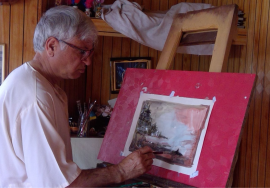
Ashok Kumar Paswan was born on February 3rd, 1970 in Laheriyaganj, Madhubani district, Bihar. He comes from a family with a strong tradition of Mithila Folk Art and has been exposed to the cultural and religious practices of the region since childhood. His art reflects the rich history of social and religious customs that have been preserved in Mithila Folk Art.
Ashok Paswan learned the art of Mithila painting from his elder brother and has been actively working in this field since then. He has received numerous accolades for his work, including the State Award in 1987-88 for his exceptional Mithila painting ‘Raja Shlesh’. He has also been commissioned to create artwork for various government and private organizations.
In addition to his artistic talents, Ashok Paswan is a well-respected member of his community and has been involved in various social initiatives. He has been an advocate for education and has worked towards improving the literacy rate in his village. He has also been actively involved in promoting traditional folk art and has organized workshops and exhibitions to showcase the rich cultural heritage of Mithila.
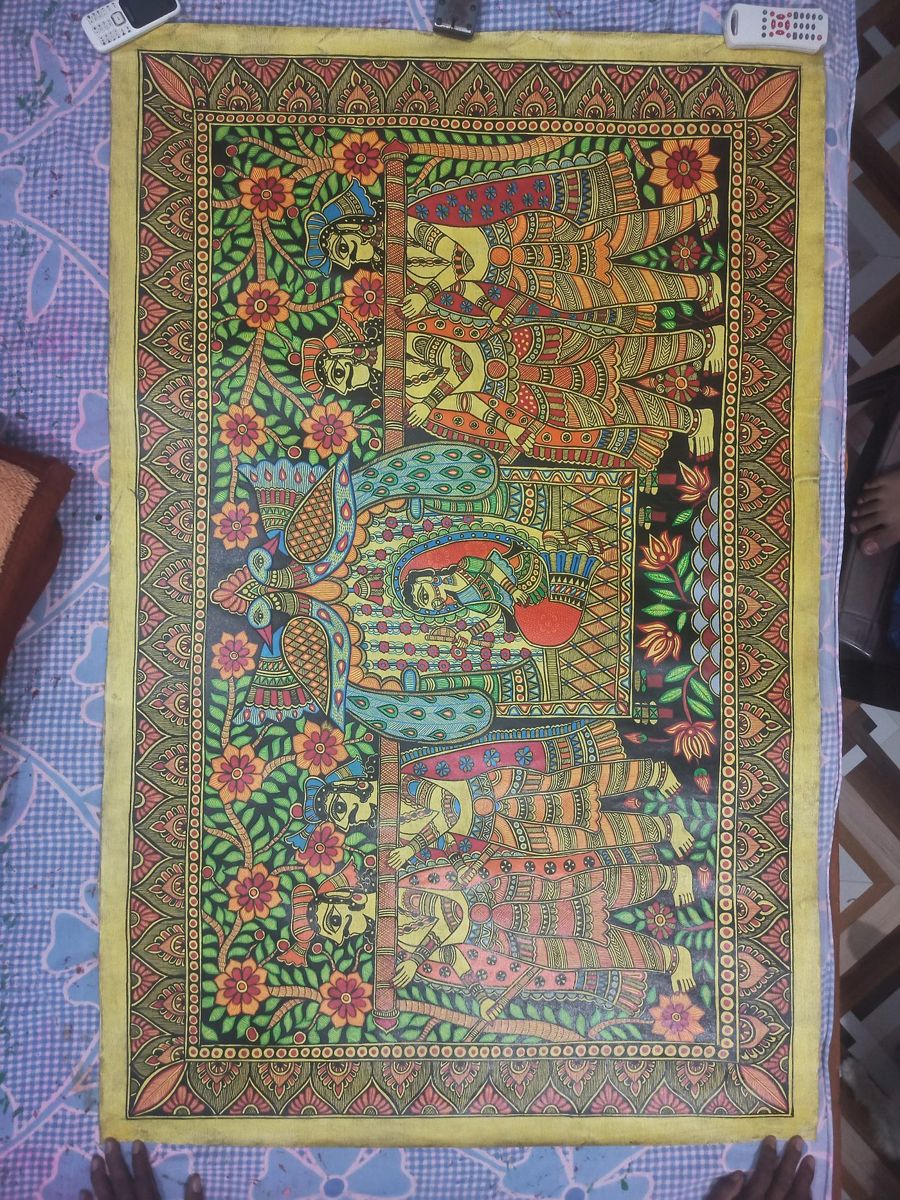
Through his work, Paswan has helped to bring wider recognition and appreciation to the unique and vibrant art form of Mithila painting, and has inspired many younger artists to continue in this tradition.
I met Ashok Kumar and his family during my visit to India. During our encounter, I had the opportunity to explore his artwork, and I purchased some paintings to gift to friends and professors in Turkey. I expressed to his son, Amit Kumar, that I intended to introduce Madhubani Painting to the people in Turkey. Today, I am delighted to write about the work of Ashok Kumar, who has devoted his life to preserving the rich tradition of arts in Mithilanchal.
Today, I am delighted to write about the work of Ashok Kumar, who has devoted his life to preserving the rich tradition of arts in Mithilanchal.
Rajeev Kumar is a research scholar in Civilization Studies at Ibn Haldun University, Istanbul, Turkey.