
November 17, 2026
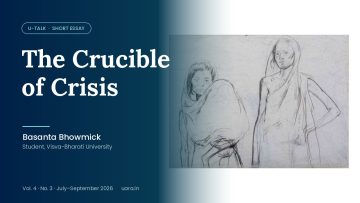
The Crucible of Crisis
How the Bengal famine of 1943, driven by war and colonial policy failure, reshaped Bengali cuisine through famine foods like Kochu Shaak and Googli.
Read More
How the Bengal famine of 1943, driven by war and colonial policy failure, reshaped Bengali cuisine through famine foods like Kochu Shaak and Googli.
Read More
A Jaynagar village teacher, Ram Ashish Singh, explains Kabir dohe on idol worship and mosque orthodoxy, and lives Kabir's message of love and harmony.
Read More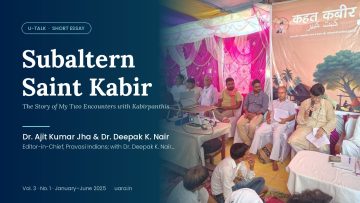
Ajit Kumar Jha recalls meeting Kabirpanthis at a California Kabir temple and in his Madhubani village; plus Deepak K. Nair on the Kahat Kabir workshop.
Read More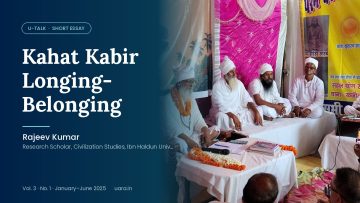
Rajeev Kumar on Kahat Kabir as a living workshop: Kabirpanth in Bihar, vernacular knowledge, gurus, bhajan singers and the longing-belonging paradigm.
Read More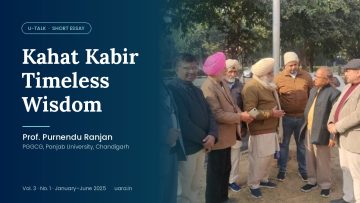
Purnendu Ranjan on Kahat Kabir: Kabir's Ek Noor sabad, his place in the Ain-e-Akbari and Guru Granth Sahib, and his timeless call for human unity.
Read More
Gujarat as India's gateway of cultural syncretism: trade, faiths, Gandhi, Parsi writers and the diaspora in Gujarati English literature and identity.
Read More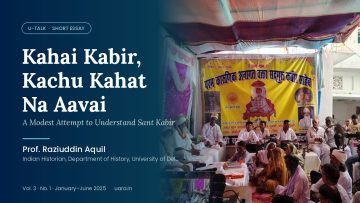
Historian Raziuddin Aquil on Sant Kabir's critique of caste, clergy and ritual, and why his Sufi-Bhakti message of unity still matters today.
Read More
How trade, migration and colonial encounters shaped cultural syncretism in Western Indian writing in English from Gujarat, Rajasthan, Maharashtra and Goa.
Read More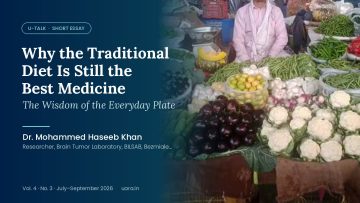
Why the traditional Indian diet still works: dal, seasonal sabzi, fruit, whole grains, movement and sleep offer health that no imported superfood can match.
Read More
How geriatric diseases differ in older adults: atypical symptoms, polypharmacy, frailty and cognitive decline, and why elderly care needs gentle attention.
Read More