A Spiritual Odyssey to Sathuragiri
 Dr. K. Lakshmi Priya
Asst. Prof. of English, SDNB Vaishnav College for Women, Chennai
~ 4 min read
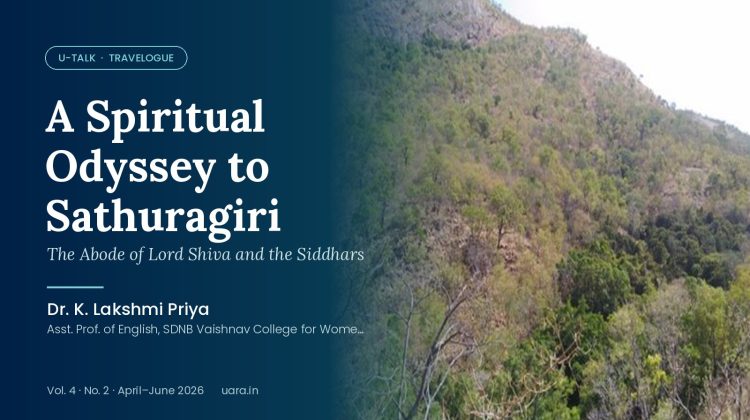
Nestled in the lush Western Ghats, the Sathuragiri Hills, also known as Chathuragiri or Sundara Mahalingam, is a sacred pilgrimage site near Srivilliputhur in Tamil Nadu, India. This mystical mountain, revered as the “Abode of God” and “Siddhargal Boomi” (Land of the Siddhars), draws thousands of devotees and nature enthusiasts seeking spiritual solace and adventure. My journey to the Sathuragiri Shiva Temple, a place steeped in legend and divine energy, was a transformative experience that blended physical endurance with profound spiritual awakening.
At Sathuragiri, the mountain tests the body before the deity answers the soul.
The Journey Begins: Reaching Thaniparai
The pilgrimage to Sathuragiri begins at Thaniparai, a quaint village about 10 km from Watrap and 70 km from Madurai. I set out from Madurai, the nearest major city, taking a bus to Watrap, followed by a shared auto to Thaniparai. The early morning air was crisp as I arrived at the base around 6 AM, greeted by the sight of towering hills and the distant hum of chanting pilgrims. The forest checkpost at Thaniparai requires a modest entry fee of ₹10, and I was advised to start the trek early to avoid the midday heat. With a small backpack carrying water, snacks, and a torch, I began the ascent, my heart buzzing with anticipation.
The name Sathuragiri, derived from “Chathur” (four) and “Giri” (hill), reflects the hill’s square shape or its mythological connection to the four Vedas uniting here. Legends also speak of this being the abode of the 18 Siddhars—enlightened saints who mastered yogic powers and still worship Lord Shiva in invisible forms.
The Trek: A Test of Will and Spirit
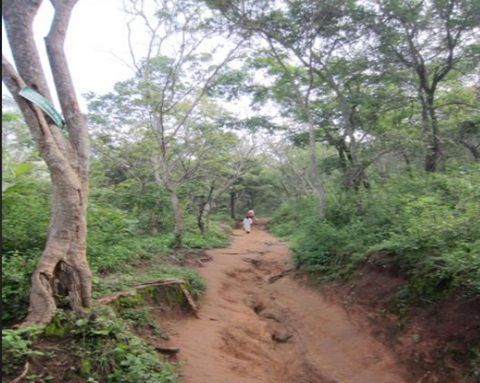
The trek to Sathuragiri is not for the faint-hearted. Spanning roughly 8 km to the Sundara Mahalingam Temple, the trail is a challenging mix of rocky paths, slippery stones, and steep inclines. The initial stretch from Thaniparai is a concrete path leading to the Lord Karupusamy Temple, surrounded by dense greenery. This guardian deity, installed by the Siddhars, marks the transition to a rugged trail. I felt a surge of reverence as I offered a quick prayer, mindful of the local belief that one needs the Siddhars’ permission to ascend safely.
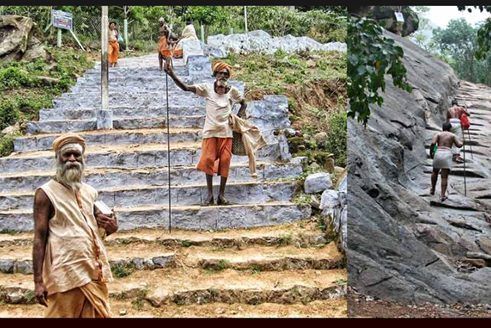
The path soon turned into uneven rocky terrain, with the Mangani stream offering a refreshing pause. Crossing Vazhukku Parai (Slippery Rock), I tread carefully on steps carved into the rock, marvelling at the lush valley to my left and massive rock formations to my right. The trail tested my endurance, especially at Kona Thalai Vasal, where the steep climb left me breathless. Yet, the sight of vibrant birdlife and the distant sound of flowing water kept my spirits high.

Between slippery rocks and sacred caves, faith becomes a form of endurance.
Along the way, I passed sacred sites like the Korakkar Cave, where the Siddhar Goraknathar, known for his Kayakalpa medicines, is believed to appear as a light on the 10th day of the Tamil calendar. The Irattai Lingam cave, housing two Shiva Lingams symbolising the unity of Shiva and Vishnu, was a humbling stop. Small shops selling herbal drinks like Paruthi Pal (cotton milk) provided much-needed hydration, their earthy flavours a reminder of the hill’s medicinal heritage.
The Divine Encounter: Sundara and Santhana Mahalingam Temples
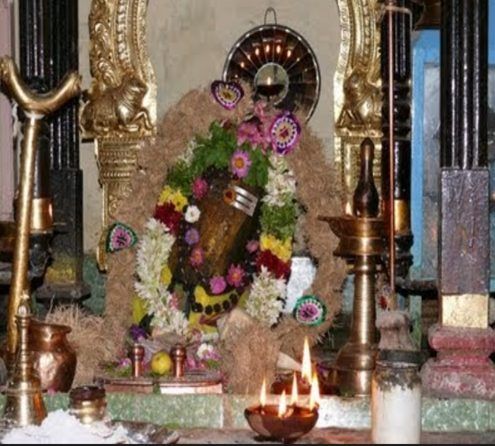
After nearly 4 hours of trekking, I reached the summit, where the Sundara Mahalingam Temple. Ascending the hill felt like a divine blessing, and I stood before the Swayambu Lingam, inclined 40 degrees to the left, radiating an ancient, serene energy. The temple, over 2,500 years old, is believed to be where Lord Shiva once appeared as a devotee, claiming the land as his own. I chanted a prayer, my voice mingling with the soft chants of other pilgrims, feeling a deep connection to the divine.
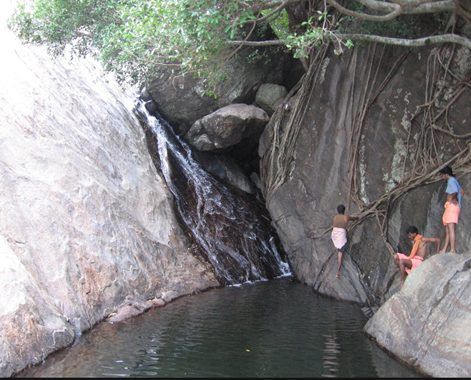
A 15-minute trek led me to the Santhana Mahalingam Temple, where separate sanctums honour the 18 Siddhars, Lord Ganesha, Murugan, and Santhana Mahadevi. The Akasha Ganga stream, flowing between the two temples, is said to have healing properties, though water was scarce during my visit. I meditated briefly at the Satta Natha Muni cave nearby, sensing the mystical presence of the Siddhars. The atmosphere was charged with spirituality, amplified by the Aadi Amavasai festival, which draws lakhs of devotees.
The Siddhars’ Presence: A Mystical Aura
Sathuragiri is synonymous with the 18 Siddhars—saints like Agastiyar, Goraknathar, and Sundranandar, who are believed to roam the hills still invisibly. Locals advise respecting every stranger, as they could be a Siddhar in disguise. Stories abound of mystical encounters, like dogs or cows guiding lost pilgrims, reminiscent of Kamadhenu’s legend. As I sat near the Anandavalli Amman shrine, formless except during Navaratri, I felt an inexplicable calm, as if the Siddhars’ energy permeated the air.
Practicalities and Reflections
The trek down took about 3 hours, my legs weary but my heart light. The hills are open only on full moon, new moon, and Pradosham days, with strict visiting hours from 6 AM to 4 PM due to the reserve forest setting. Annadhanam (free food) at ashrams sustained me, though facilities like toilets are basic and limited to the summit. The absence of electricity and mobile coverage added to the raw, unspoiled sanctity of the place.
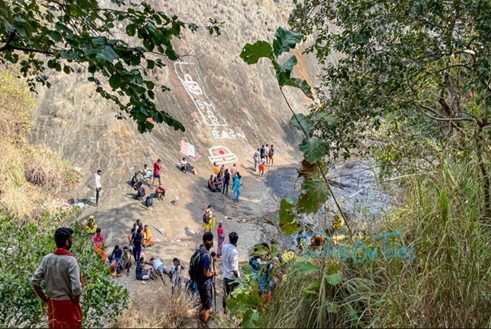
This is not a pilgrimage for comfort, but for transformation.
Sathuragiri is not just a trek; it’s a spiritual journey. The challenging climb, the divine darshan, and the whispers of the Siddhars left me transformed. As I departed Thaniparai, the square silhouette of the hill against the sunset seemed to promise that I’d return when the Siddhars call again.
Dr. K. Lakshmi Priya is an Assistant Professor in the Department of English at Shrimathi Devkunvar Nanalal Bhatt Vaishnav College for Women, Chromepet, Chennai.